The Colour Issue
The greens, the golds and the whites to never buy again
Colour analysis is not a personality quiz and it is not a filter. It is three measurements taken off your face in daylight, and everything else follows from them.
A season is a conclusion, not a guess
People hear “you are an autumn” and assume someone looked at them and had a feeling. What actually happens is narrower and duller than that, which is why it works. An analyst reads three properties: temperature, whether your colouring sits warm or cool; value, whether it sits light or deep; and chroma, whether it holds up under bright colour or needs everything softened.
Those three land somewhere, and the season is the shorthand for where. Twelve seasons exist because four are not precise enough — Autumn covers a person who suits muted sage and another who suits near-black aubergine, and dressing one like the other is exactly the mistake the system was built to stop.
Why the drape, and why daylight
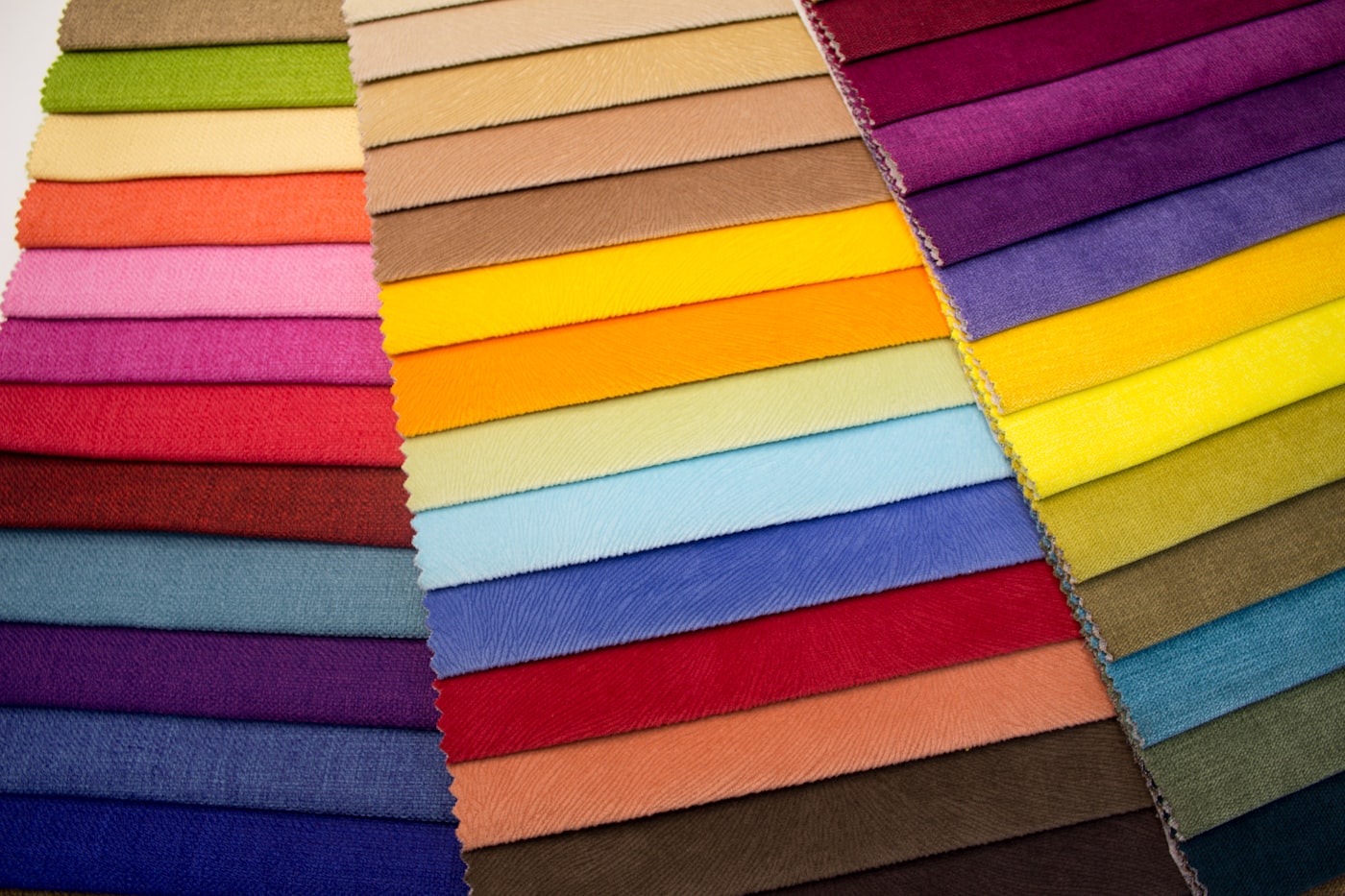
Fabric goes under the chin, one colour at a time, in north-facing daylight. The analyst is not looking at the fabric. They are watching what happens to your face: whether shadows under the eyes deepen or lift, whether the jawline sharpens or blurs, whether the skin looks even or patchy.
This is also why a phone cannot do it. Your camera auto-corrects white balance continuously — it is actively removing the temperature difference that is the thing being measured. A palette read off a compressed selfie is a palette read off the compression.

What changes when you get it right
The first thing to go is usually a white. Optic white and ivory are not interchangeable; one of them makes your skin look grey and the other does not, and almost nobody suits both. The second is metal — gold or silver, decided once, applied to every button, buckle, frame and chain you own after that.
Then the near-blacks. A true black is a winter colour. Everyone else has a better version of it: espresso, deep olive, navy, aubergine. Wearing the right one is the difference between a jacket that flatters and a jacket that photographs like it is wearing you.
The card is the point
Advice you cannot find again is advice you did not get. The session ends with a colour card saved to your account — your palette, on your phone, at the till, where the decision is actually made. It survives the session and it is the reason the session was worth the hour.
More from The Edit