A wedding week is a logistics problem wearing a dress
Five functions, five looks, one alterations queue and a date that does not move. Planned as a week it is manageable. Handled function by function it is five separate panics.
Vaanity · 5 min read
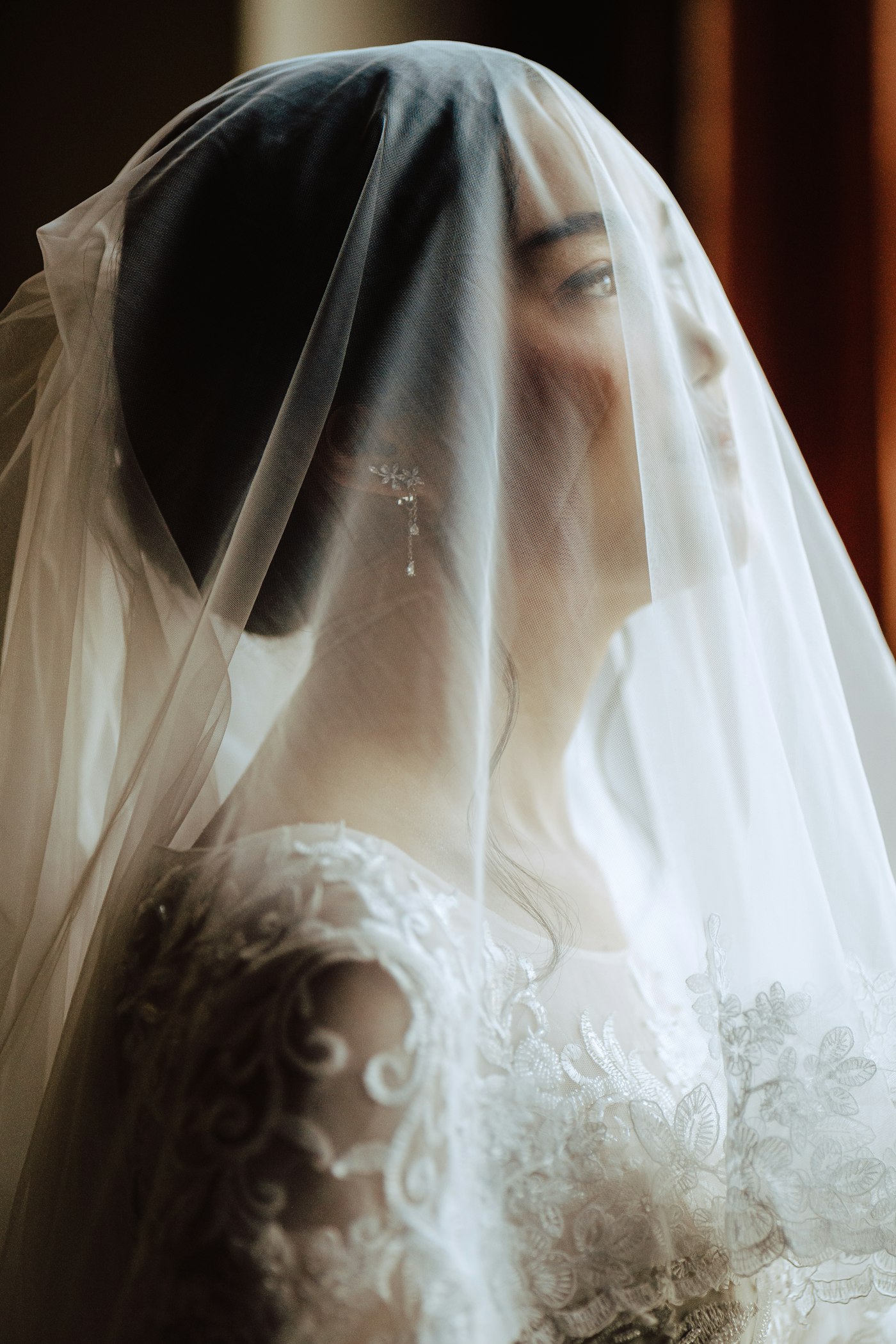
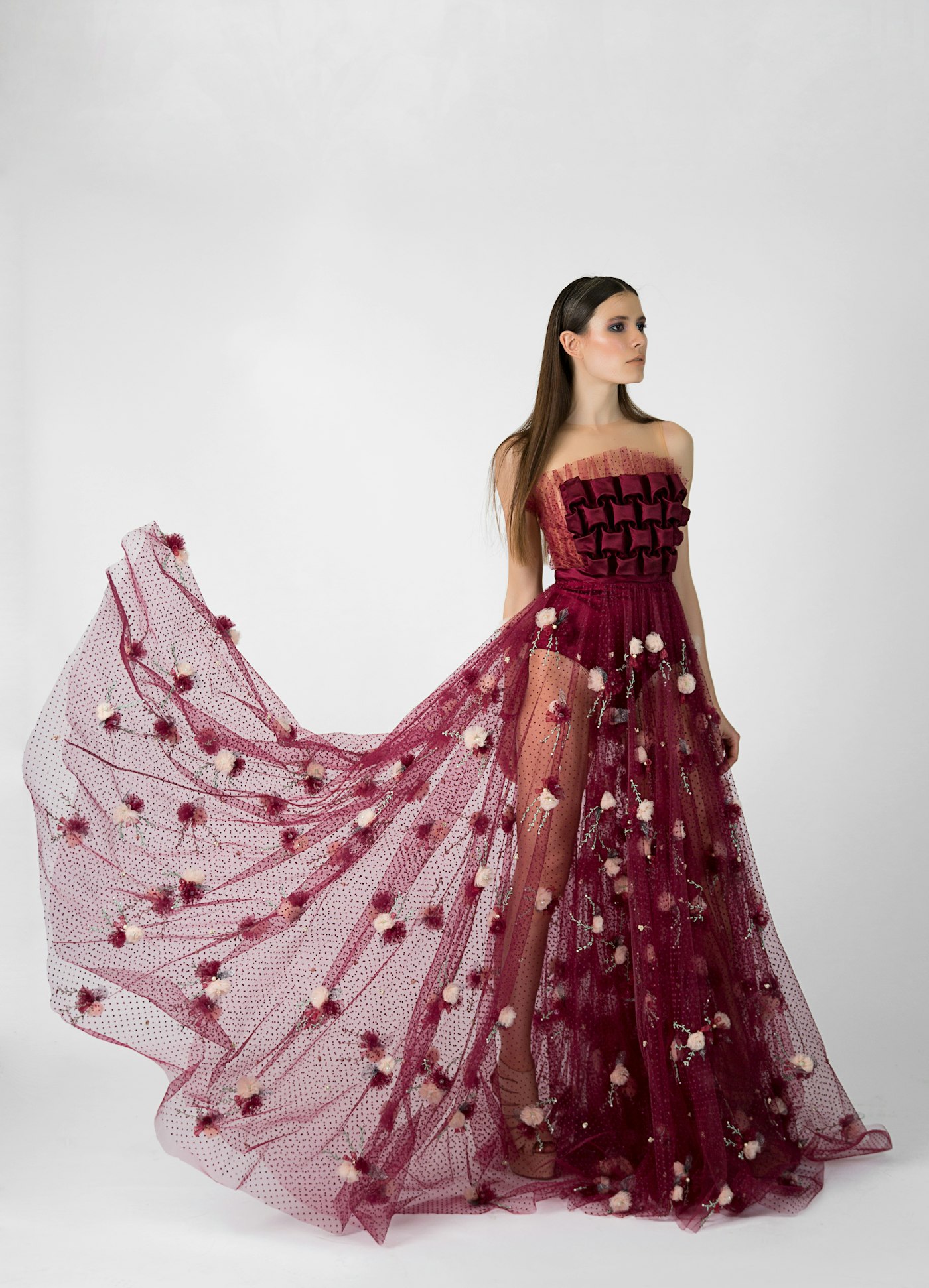
The hero look gets the budget. The other four get the planning.
Map the functions before anything else
Write down every event, its hour, its venue and its formality before a single garment is discussed. The list is almost always longer than people expect once the pre-events and the family photographs are on it.
Then decide which functions carry the weight. Not every event needs a hero look, and spending equally across five is how budgets disappear before the one that gets photographed.
The alterations timeline runs backwards
A tailor needs the garment before they need the deadline. Working backwards from the date, with a fitting buffer built in, is the single thing that most reliably prevents a week from going wrong — and it is the reason a wedding is booked as daily sessions rather than one long one.
Anything ordered rather than bought in person needs a further buffer and a fallback. Every experienced stylist has a story about a dress that cleared customs the morning after.
A week of functions is a queue problem before it is a wardrobe problem.
Repeat on purpose
Repeating a piece across a week is normal and, styled deliberately, looks intentional rather than short. Different accessories, a different silhouette around it, a different function — most guests will not notice and the ones who do will read it as confidence.
The alternative is five new outfits, of which two will be worn once.
What one stylist across the week buys you
Continuity. Someone who remembers what you wore on Tuesday when they plan Friday, who is tracking the alterations queue, and who has already seen the venues. You leave with a look board for each function and a timeline that fits the dates.